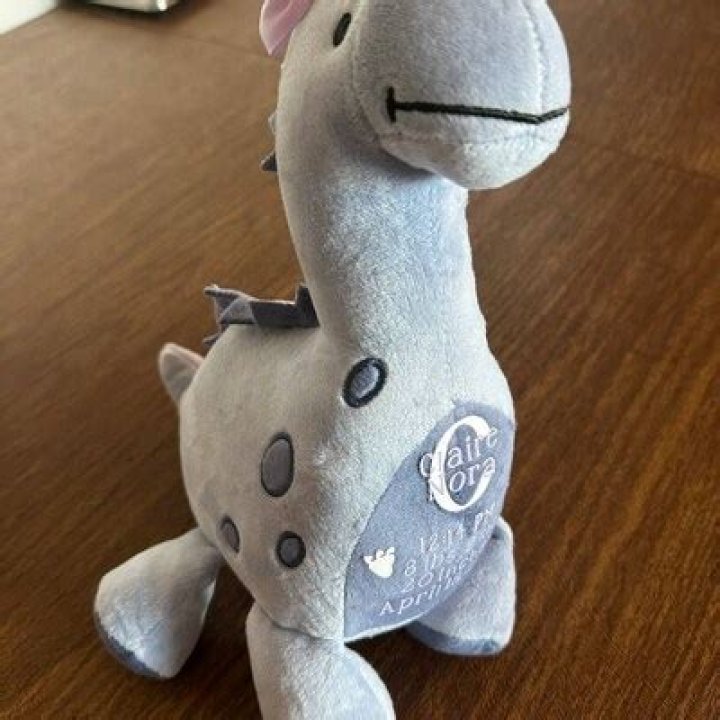
A "cartoon with big body and small legs" refers to a specific cartoon character design featuring a disproportionate body with an enlarged torso and diminutive legs. This design choice is commonly used for comedic effect, creating a visually humorous and exaggerated appearance.
The use of this design technique can be traced back to early cartooning history, with characters like Charlie Chaplin's "The Tramp" and Winsor McCay's "Gertie the Dinosaur" employing this exaggerated body type for physical comedy and visual gags. Over the years, it has become a staple in various animated shows, movies, and comic strips, adding a touch of whimsy and humor to countless beloved characters.
The effectiveness of this design lies in its ability to convey a range of emotions and actions through exaggerated body language. The large body allows for expressive gestures and comedic movements, while the small legs often contribute to a sense of clumsiness or vulnerability, enhancing the character's comedic appeal.
In conclusion, the "cartoon with big body and small legs" design is a widely recognized and effective technique in cartooning, contributing to the visual humor and expressive nature of animated characters. Its enduring popularity is a testament to its ability to elicit laughter and create memorable characters that resonate with audiences of all ages.
Cartoon with Big Body and Small Legs
The "cartoon with big body and small legs" design is a distinctive and widely recognized technique in cartooning, contributing to the visual humor and expressive nature of animated characters. Its enduring popularity is a testament to its ability to elicit laughter and create memorable characters that resonate with audiences of all ages. Here are nine key aspects that explore various dimensions related to this topic:
- Exaggeration: The exaggerated body proportions create a visually humorous and comedic effect.
- Physical Comedy: The large body allows for expressive gestures and comedic movements.
- Clumsiness: The small legs often contribute to a sense of clumsiness or vulnerability, enhancing the character's comedic appeal.
- Expressive Body Language: This design technique enables characters to convey a range of emotions and actions through exaggerated body language.
- Visual Humor: The disproportionate body type is inherently visually humorous, creating a comical appearance.
- Timelessness: This design has been used effectively in cartoons for over a century, demonstrating its enduring appeal.
- Cross-Cultural Appeal: This design technique resonates with audiences from diverse cultural backgrounds, making it a universally recognizable form of visual humor.
- Character Memorability: Characters with this body type tend to be more memorable and recognizable due to their unique and exaggerated appearance.
- Versatility: This design can be adapted to a wide range of characters, from slapstick comedians to lovable sidekicks.
In conclusion, the "cartoon with big body and small legs" design is a versatile and effective technique that has become an integral part of cartooning. Its ability to convey humor, enhance character expression, and create memorable characters has made it a beloved and enduring element of animated entertainment.
Exaggeration
In the realm of cartooning, exaggeration is a powerful tool that breathes life into visually humorous and comedic characters. The "cartoon with big body and small legs" design is a prime example of this technique, where the exaggerated body proportions create a comical and distinctive appearance.
- Visual Humor: The disproportionate body type inherently creates a visually humorous effect. The large body and small legs disrupt our expectations of normal human proportions, resulting in a comical and absurd appearance.
- Body Language Amplification: Exaggerated body proportions allow for more expressive and comedic body language. The large body provides ample space for exaggerated gestures, facial expressions, and movements, enhancing the character's ability to convey emotions and actions in a humorous way.
- Clumsy Charm: The small legs often contribute to a sense of clumsiness or vulnerability, adding to the character's comedic appeal. This clumsiness can lead to humorous mishaps, pratfalls, and other physical comedy routines.
- Memorable Characters: Exaggerated body proportions help create memorable and recognizable characters. The unique and distinct appearance of these characters leaves a lasting impression on the audience, making them more likely to be remembered and associated with the comedic moments they create.
In conclusion, the exaggeration employed in the "cartoon with big body and small legs" design is a key ingredient in its comedic success. By distorting human proportions, this technique creates visually humorous characters, amplifies body language for comedic effect, adds a touch of clumsy charm, and contributes to the overall memorability of these beloved cartoon figures.
Physical Comedy
In the realm of cartooning, physical comedy takes center stage, and the "cartoon with big body and small legs" design plays a pivotal role in amplifying its comedic potential. The large body provides a canvas for expressive gestures and comedic movements, enhancing the character's ability to convey emotions and actions in a humorous way.
The exaggerated body proportions allow for a wider range of physical comedy routines. The large body can be contorted into unusual positions, creating visually humorous gags. The small legs, often depicted as wobbly or clumsy, add to the character's comedic appeal, leading to humorous pratfalls and mishaps.
Real-life examples abound in the world of animation. Bugs Bunny's oversized body and floppy ears allow him to execute exaggerated leaps and spins, while Homer Simpson's rotund physique and short legs contribute to his signature slapstick humor. These characters exemplify how the "cartoon with big body and small legs" design facilitates physical comedy, enhancing the overall entertainment value of animated shows and movies.
Understanding the connection between physical comedy and the "cartoon with big body and small legs" design is crucial for animators and cartoonists seeking to create humorous and engaging characters. This understanding enables them to harness the comedic potential of exaggerated body proportions, craft expressive gestures, and develop physically comedic routines that resonate with audiences.
In conclusion, the "cartoon with big body and small legs" design and physical comedy are inextricably linked. The large body provides a platform for expressive gestures and comedic movements, enabling animators to create visually humorous and physically engaging characters that have delighted audiences for generations.
Clumsiness
Within the realm of "cartoon with big body and small legs", clumsiness plays a pivotal role in amplifying the character's comedic charm. The disproportionate body proportions, characterized by a large body and small legs, create an inherent sense of uncoordinated movement and vulnerability.
- Physical Mishaps: The small legs often lead to humorous physical mishaps and pratfalls. The character's attempts to navigate their environment can result in comical stumbles, slips, and falls, evoking laughter from the audience.
- Comic Vulnerability: The small legs can convey a sense of vulnerability, making the character appear less threatening and more relatable. This vulnerability enhances the comedic appeal by creating a sympathetic connection with the audience.
- Exaggerated Reactions: The disproportionate body proportions allow for exaggerated reactions to even minor events. The character's large body and small legs can create a comical contrast, amplifying their reactions and adding to the comedic effect.
- Character Archetypes: Clumsy characters often fit into comedic archetypes, such as the bumbling sidekick or the accident-prone protagonist. These archetypes leverage the comedic potential of clumsiness, making them a staple in animated shows and movies.
In conclusion, the "cartoon with big body and small legs" design and clumsiness are closely intertwined, creating a comedic formula that has entertained audiences for generations. The small legs contribute to physical mishaps, comic vulnerability, exaggerated reactions, and well-established character archetypes, all of which enhance the overall comedic appeal of these beloved cartoon characters.
Expressive Body Language
In the realm of "cartoon with big body and small legs", expressive body language takes center stage as a vital tool for conveying emotions and actions in a visually engaging and humorous way. The exaggerated body proportions, with their large bodies and small legs, create a unique canvas for expressive movements and gestures.
- Exaggerated Gestures: The large body provides ample space for exaggerated gestures that amplify emotions and actions. Characters can stretch their arms and legs to comical lengths, creating a visually humorous effect.
- Dynamic Movements: The disproportionate body proportions allow for dynamic and fluid movements. Characters can jump, spin, and contort their bodies in ways that would be impossible for humans with normal proportions, adding to the comedic appeal.
- Facial Expressions: The large body and small legs often draw attention to the character's face, making facial expressions more prominent and impactful. Animators can use exaggerated facial expressions to convey a wide range of emotions, from joy to sadness to anger.
- Emotional Storytelling: Exaggerated body language enables characters to communicate emotions and tell stories without relying solely on dialogue. The audience can infer the character's feelings and intentions through their expressive movements and gestures.
In conclusion, expressive body language is an integral aspect of the "cartoon with big body and small legs" design, empowering animators and cartoonists to create visually engaging and emotionally resonant characters. The exaggerated body proportions provide a platform for dynamic movements, amplified gestures, and expressive facial expressions, allowing these characters to convey a range of emotions and actions in a humorous and entertaining way.
Visual Humor
The connection between visual humor and the "cartoon with big body and small legs" design is undeniable. The disproportionate body type creates a visually humorous effect that is central to the comedic appeal of these characters.
The exaggerated body proportions disrupt our expectations of normal human proportions, resulting in a comical and absurd appearance. This disruption creates a sense of incongruity, which is a key element of visual humor. The large body and small legs create a visually striking contrast that is inherently funny.
Furthermore, the exaggerated body proportions allow for a wider range of physically comedic movements and gestures. The large body can be contorted into unusual positions, while the small legs can lead to humorous mishaps and pratfalls. These physical gags amplify the visual humor and make these characters even more entertaining to watch.
Real-life examples abound in the world of animation. Bugs Bunny's oversized body and floppy ears allow him to execute exaggerated leaps and spins, while Homer Simpson's rotund physique and short legs contribute to his signature slapstick humor. These characters exemplify how the "cartoon with big body and small legs" design can be used to create visually humorous and memorable characters.
Understanding the connection between visual humor and the "cartoon with big body and small legs" design is crucial for animators and cartoonists seeking to create entertaining and visually appealing characters. This understanding enables them to harness the comedic potential of exaggerated body proportions and create characters that will resonate with audiences of all ages.
In conclusion, the "cartoon with big body and small legs" design and visual humor are inextricably linked. The disproportionate body proportions create a visually humorous effect that is essential to the comedic appeal of these characters. Animators and cartoonists who understand this connection can create visually engaging and entertaining characters that will captivate audiences and leave a lasting impression.
Timelessness
The "cartoon with big body and small legs" design has stood the test of time, remaining a popular and effective design choice in cartoons for over a century. This enduring appeal can be attributed to several factors:
- Universal appeal: The exaggerated body proportions and comedic movements of these characters resonate with audiences of all ages and cultures, creating a sense of familiarity and relatability.
- Adaptability: The design can be easily adapted to a wide range of characters, from slapstick comedians to lovable sidekicks, adding versatility to animated shows and movies.
- Nostalgia: For many viewers, these characters evoke a sense of nostalgia, reminding them of classic cartoons they enjoyed as children. This emotional connection contributes to the enduring appeal of the design.
Real-life examples abound in the world of animation. Bugs Bunny, Mickey Mouse, and Homer Simpson are just a few iconic characters that have utilized the "cartoon with big body and small legs" design to great effect. These characters have remained popular for decades, demonstrating the enduring appeal of this design choice.
Understanding the connection between timelessness and the "cartoon with big body and small legs" design is crucial for animators and cartoonists seeking to create characters that will resonate with audiences. By embracing the timeless appeal of this design, animators can create characters that are both entertaining and memorable.
In conclusion, the "cartoon with big body and small legs" design has proven its timelessness through its universal appeal, adaptability, and nostalgic charm. Animators who understand the importance of this design element can create characters that will endure for generations to come.
Cross-Cultural Appeal
The "cartoon with big body and small legs" design technique possesses a remarkable cross-cultural appeal, resonating with audiences from diverse backgrounds and making it a universally recognizable form of visual humor.
This cross-cultural appeal can be attributed to several factors:
- Exaggeration and Simplicity: The exaggerated body proportions and simplified forms used in this design technique create a visual language that transcends cultural boundaries. Exaggeration and simplicity are universally understood and appreciated, making these characters relatable to audiences of all cultures.
- Physical Comedy: The "cartoon with big body and small legs" design lends itself well to physical comedy, which is a form of humor that is easily understood and enjoyed across cultures. The exaggerated body proportions allow for a wide range of physically comedic movements and gags that appeal to audiences of all ages.
- Universal Emotions: These characters often express universal emotions and experiences, such as joy, sadness, anger, and fear. These emotions are relatable to audiences from all walks of life, regardless of their cultural background.
Real-life examples abound in the world of animation. Characters like Mickey Mouse, Bugs Bunny, and Homer Simpson have become beloved icons recognized and enjoyed by people from all over the world. These characters demonstrate the cross-cultural appeal of the "cartoon with big body and small legs" design technique.
Understanding the importance of cross-cultural appeal in the "cartoon with big body and small legs" design technique is crucial for animators and cartoonists seeking to create characters that will resonate with global audiences. By embracing this cross-cultural appeal, animators can create characters that are both entertaining and universally relatable.
In conclusion, the "cartoon with big body and small legs" design technique has proven its cross-cultural appeal through its ability to transcend cultural boundaries and resonate with audiences from diverse backgrounds. Animators who understand the importance of this cross-cultural appeal can create characters that will be enjoyed and appreciated by people all over the world.
Character Memorability
The "cartoon with big body and small legs" design technique has a significant impact on character memorability. The unique and exaggerated appearance of these characters makes them more visually distinctive and easier to remember.
The exaggerated body proportions create a visually striking contrast that sets these characters apart from more realistically proportioned characters. This contrast makes them more memorable and recognizable, even when they appear in a large cast of characters.
Furthermore, the exaggerated body proportions allow for a wider range of physically comedic movements and gestures. These movements and gestures are often visually memorable and help to create a lasting impression on the audience.
Real-life examples abound in the world of animation. Characters like Mickey Mouse, Bugs Bunny, and Homer Simpson are all instantly recognizable due to their unique and exaggerated body proportions. These characters have become iconic figures in popular culture and are remembered by people of all ages.
Understanding the importance of character memorability in the "cartoon with big body and small legs" design technique is crucial for animators and cartoonists seeking to create characters that will leave a lasting impression on the audience. By embracing this design technique, animators can create characters that are not only visually appealing but also highly memorable and recognizable.
In conclusion, the "cartoon with big body and small legs" design technique has a significant impact on character memorability. The unique and exaggerated appearance of these characters makes them more visually distinctive and easier to remember, contributing to their overall success and popularity.
Versatility
The "cartoon with big body and small legs" design technique exhibits remarkable versatility, enabling the creation of a diverse range of characters, each with unique personalities and roles within animated stories. This versatility stems from the inherent adaptability of the exaggerated body proportions.
- Slapstick Comedians: The exaggerated body proportions lend themselves well to physical comedy, making them ideal for slapstick comedians. The large body and small legs allow for exaggerated movements, pratfalls, and other comedic gags that elicit laughter from audiences.
- Lovable Sidekicks: The design can also be adapted to create lovable sidekicks. The small legs and large body can convey a sense of vulnerability and dependence, making these characters endearing and relatable to audiences.
- Villains and Antagonists: The exaggerated body proportions can also be used to create menacing villains and antagonists. The large body can convey a sense of physical power, while the small legs can add a touch of clumsiness or instability, making these characters both intimidating and humorous.
- Background Characters: The design's versatility extends to background characters. The exaggerated body proportions can be used to create visually distinct and memorable characters that add depth and richness to animated scenes.
The versatility of the "cartoon with big body and small legs" design technique is a testament to its enduring popularity and effectiveness in animation. By embracing this versatility, animators can create a wide range of characters that fulfill diverse roles and appeal to a broad audience.
Frequently Asked Questions about "Cartoon with Big Body and Small Legs"
The unique design of "cartoon with big body and small legs" raises several common questions. This section addresses six frequently asked questions to provide a comprehensive understanding of this design technique.
Question 1: What is the purpose of using this design technique?
Answer: The exaggerated body proportions in this design primarily serve comedic purposes. The contrast between the large body and small legs creates a visually humorous effect, making these characters inherently funny and entertaining to watch.
Question 2: Can this design technique be used for all types of cartoon characters?
Answer: While commonly associated with comedic characters, this design technique can be adapted to various character types. The exaggerated proportions can enhance the physicality of slapstick comedians, add vulnerability to lovable sidekicks, and create visually distinct background characters.
Question 3: Is this design technique outdated or overused?
Answer: Despite its long history, this design technique remains popular and effective in modern animation. Its adaptability and cross-cultural appeal ensure its continued relevance in creating memorable and visually engaging characters.
Question 4: Are there any limitations to using this design technique?
Answer: While versatile, this design technique may not be suitable for all characters or storylines. It is crucial to consider the overall tone and style of the animation to determine if this technique aligns with the desired aesthetic and narrative.
Question 5: How can animators effectively utilize this design technique?
Answer: Animators can leverage this technique by understanding its comedic potential, exploring various character types, and paying attention to the overall proportions and movements. Exaggerating the body proportions without compromising clarity is key to achieving a visually appealing and humorous effect.
Question 6: What are some notable examples of cartoons that successfully employ this design technique?
Answer: Iconic cartoon characters like Mickey Mouse, Bugs Bunny, and Homer Simpson are prime examples of the successful use of this design technique. Their exaggerated body proportions have contributed to their enduring popularity and universal appeal.
In conclusion, the "cartoon with big body and small legs" design technique is a valuable tool in the animator's arsenal. Its versatility, comedic potential, and cross-cultural appeal make it a timeless and effective technique for creating visually engaging and memorable animated characters.
Transition to the next article section: This design technique is closely intertwined with the concept of exaggeration in cartoon animation. In the following section, we will explore the role of exaggeration in creating visually humorous and expressive characters.
Tips for Utilizing the "Cartoon with Big Body and Small Legs" Design Technique
The "cartoon with big body and small legs" design technique can be a powerful tool in the animator's arsenal. To effectively harness its comedic potential and create visually appealing characters, consider the following tips:
Tip 1: Exaggerate Wisely
While exaggeration is key, it should be employed judiciously to maintain clarity. Exaggerate the body proportions while ensuring the character remains recognizable and visually appealing.
Tip 2: Explore Diverse Character Types
This design technique is not limited to slapstick comedians. Experiment with using it for lovable sidekicks, villains, or background characters to add depth and variety to your animations.
Tip 3: Pay Attention to Proportions
The effectiveness of this technique lies in the contrast between the large body and small legs. Ensure the proportions are balanced and visually harmonious to achieve the desired comedic effect.
Tip 4: Consider Movement and Gestures
The exaggerated body proportions allow for exaggerated movements and gestures. Use this to enhance the character's physicality, comedic timing, and overall expressiveness.
Tip 5: Respect the Design's Origin
While adapting the technique to fit your style, acknowledge its historical significance in comedy animation. Pay homage to the classic characters that have made this design so beloved.
Tip 6: Seek Inspiration from Real Life
Observe real-life individuals with unique body proportions to gain inspiration for creating believable and relatable cartoon characters with exaggerated features.
Tip 7: Study the Masters
Analyze how iconic cartoonists like Chuck Jones and Tex Avery utilized this technique to create unforgettable characters. Study their work to learn from the best.
Tip 8: Practice and Experiment
Mastering this design technique requires practice and experimentation. Sketch and animate characters with exaggerated body proportions to develop your skills and discover new possibilities.
In conclusion, the "cartoon with big body and small legs" design technique is a valuable tool for creating visually humorous and expressive characters. By following these tips, animators can harness its potential effectively and contribute to the rich legacy of comedy animation.
Conclusion
Throughout this comprehensive exploration, we have delved into the fascinating world of "cartoon with big body and small legs," uncovering its comedic origins, versatility, and enduring appeal. This design technique has proven to be a timeless tool in the animator's arsenal, capable of creating visually humorous and expressive characters that resonate with audiences of all ages and cultures.
As we look towards the future of animation, the "cartoon with big body and small legs" design technique will undoubtedly continue to play a significant role. Its adaptability, cross-cultural appeal, and ability to evoke laughter and create memorable characters ensure its lasting relevance. Animators and cartoonists who embrace this technique can contribute to the rich legacy of comedy animation and continue to entertain and inspire generations to come.