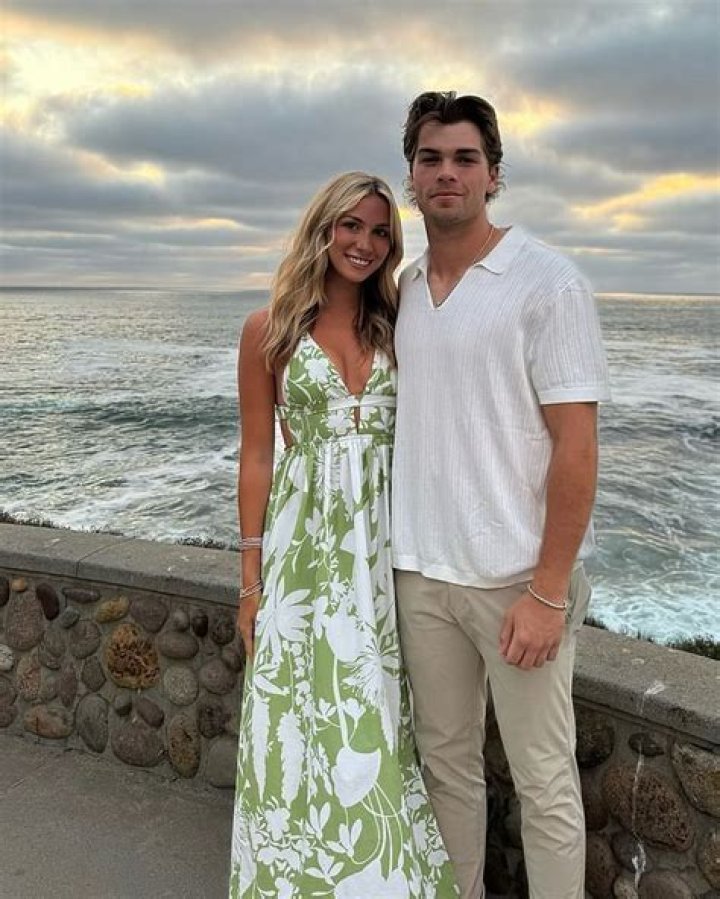
A gypsy rose dress is a flowing, often brightly colored dress that is typically worn by Romani women. The dress is often adorned with ruffles, lace, and other embellishments. Gypsy rose dresses are often worn for special occasions, such as weddings and festivals.
Gypsy rose dresses have a long history, dating back to the 19th century. The dresses were originally worn by Romani women as a way to express their cultural identity. Over time, the dresses became popular among non-Romani women as well. Today, gypsy rose dresses are seen as a symbol of freedom and individuality.
There are many different styles of gypsy rose dresses available. Some dresses are long and flowing, while others are shorter and more fitted. The dresses can be made from a variety of fabrics, including cotton, silk, and lace. Gypsy rose dresses are often decorated with ribbons, beads, and other embellishments.
gypsy rose dress
The gypsy rose dress is a vibrant and unique garment that holds cultural and historical significance. Its distinctive features and symbolism make it an intriguing subject with multiple dimensions to explore.
- Cultural Symbol: Embodies Romani heritage and identity
- Flowing Fabric: Creates a sense of freedom and movement
- Bright Colors: Represents joy, passion, and celebration
- Ruffles and Lace: Adds a touch of femininity and elegance
- Embellishments: Showcases creativity and personal style
- Special Occasions: Worn for weddings, festivals, and performances
- Fashion Inspiration: Influences mainstream fashion and bohemian style
- Symbol of Individuality: Expresses personal style and embraces diversity
These key aspects highlight the cultural, aesthetic, and personal significance of the gypsy rose dress. Its colorful history, connection to Romani culture, and enduring popularity in fashion make it a captivating subject that continues to inspire and intrigue.
Cultural Symbol
The gypsy rose dress holds deep cultural significance as a symbol of Romani heritage and identity. Romani people, also known as Roma or Gypsies, have a rich and distinct culture that is expressed through their traditional dress, music, and language.
- Symbol of Romani Identity: The gypsy rose dress serves as a visual representation of Romani identity, embodying the community's unique heritage and cultural traditions.
- Cultural Expression: Through its vibrant colors and elaborate designs, the dress allows Romani women to express their cultural pride and connect with their roots.
- Preservation of Tradition: Wearing the gypsy rose dress helps preserve Romani cultural traditions and pass them down to future generations.
- Cultural Resistance: Historically, the dress has been a symbol of Romani resistance against assimilation and discrimination, representing their determination to maintain their distinct identity.
The gypsy rose dress is more than just a garment; it is a powerful symbol that embodies the cultural heritage, identity, and resilience of the Romani people.
Flowing Fabric
The flowing fabric of the gypsy rose dress is an integral component that contributes to its unique aesthetic and cultural significance. The loose and fluid material allows for unrestricted movement, creating a sense of freedom and liberation for the wearer.
In Romani culture, dance and movement play a vital role in self-expression and storytelling. The flowing fabric of the gypsy rose dress facilitates these movements, allowing women to twirl, sway, and express themselves through dance. It becomes an extension of their bodies, enhancing their grace and fluidity.
Beyond its cultural significance, the flowing fabric also offers practical advantages. It provides comfort and breathability, making it suitable for warm climates and outdoor gatherings. The loose fit allows for layering, ensuring adaptability to changing temperatures.
In contemporary fashion, the flowing fabric of the gypsy rose dress has influenced bohemian and eclectic styles. Designers incorporate similar fabrics into their creations, seeking to capture the essence of freedom and movement associated with the Romani tradition.
In essence, the flowing fabric of the gypsy rose dress is not merely a design element but a symbol of cultural expression, liberation, and adaptability. It empowers women to move freely, express themselves through dance, and embrace their cultural heritage.
Bright Colors
The vibrant colors of the gypsy rose dress are not merely aesthetic choices; they carry deep cultural and emotional significance, representing joy, passion, and celebration:
- Symbol of Joy and Festivity: The bright and cheerful colors, such as red, yellow, and green, evoke a sense of joy and festivity. They reflect the Romani tradition of celebrating life and special occasions with music, dance, and gatherings.
- Expression of Passion: The bold and saturated colors convey the passion and intensity that is characteristic of Romani culture. They symbolize the strong emotions and deep bonds within the community.
- Celebration of Life: The vibrant colors represent a celebration of life itself. They reflect the Romani belief in embracing the present moment and finding joy in the simple things.
Beyond their cultural significance, the bright colors of the gypsy rose dress also have practical implications. They provide high visibility, making it easier for Romani women to be seen and recognized within their communities. Additionally, the colors help to protect the fabric from fading in the sun, ensuring its durability in the often nomadic lifestyle of the Romani people.
Ruffles and Lace
The gypsy rose dress often incorporates ruffles and lace, delicate details that add a touch of femininity and elegance to the garment. These embellishments hold both cultural and aesthetic significance, enhancing the overall appeal and symbolism of the dress.
- Symbol of Femininity: Ruffles and lace have long been associated with femininity and grace. Their presence in the gypsy rose dress reflects the Romani culture's appreciation of and beauty.
- Enhance Visual Appeal: The intricate patterns and textures of ruffles and lace create visual interest and add a touch of elegance to the dress. They enhance the overall aesthetic appeal and make the garment more visually striking.
- Cultural Significance: In Romani culture, lace holds significant meaning. It is often used in traditional costumes and has been passed down through generations as a symbol of cultural identity and heritage.
- Modern Interpretation: In contemporary fashion, ruffles and lace continue to be popular embellishments, adding a touch of femininity and elegance to various garments. Designers often incorporate these elements into their collections to capture the essence of the gypsy rose dress.
Ruffles and lace are more than just decorative elements on the gypsy rose dress; they are symbols of femininity, cultural heritage, and timeless elegance. These embellishments contribute to the overall charm and significance of the garment, making it a captivating representation of Romani culture and a source of inspiration in the world of fashion.
Embellishments
Embellishments play a significant role in enhancing the creativity and personal style of the gypsy rose dress. Through various decorative elements, the dress becomes a canvas for self-expression and a reflection of the wearer's unique identity.
- Beads and Sequins:
Beads and sequins are commonly used to adorn the gypsy rose dress, adding a touch of sparkle and glamour. The intricate patterns and designs created with these embellishments showcase the artisan's skill and the wearer's attention to detail.
- Ribbons and Fringe:
Ribbons and fringe add movement and a playful touch to the gypsy rose dress. They create a sense of flow and dynamism, enhancing the overall visual appeal of the garment.
- Embroidered Motifs:
Embroidered motifs are a distinctive feature of the gypsy rose dress. These intricate designs, often inspired by nature or traditional Romani symbols, add cultural depth and personal style to the garment.
- Lace and Crochet:
Lace and crochet are delicate and feminine embellishments that add a touch of elegance to the gypsy rose dress. They create intricate patterns and textures, enhancing the overall beauty and craftsmanship of the garment.
The combination of these embellishments allows for endless possibilities of customization, empowering the wearer to create a gypsy rose dress that is a true reflection of their personal style and cultural heritage.
Special Occasions
The gypsy rose dress holds a special place in Romani culture, gracing the most significant occasions in the community: weddings, festivals, and performances. This connection highlights the deep-rooted significance of the dress beyond its aesthetic appeal, weaving it into the fabric of Romani traditions and celebrations.
- Weddings:
In Romani culture, the wedding day is a grand celebration of love and unity. The bride takes center stage in a stunning gypsy rose dress, adorned with intricate embellishments that symbolize her transition into a new chapter of life. The vibrant colors and flowing fabric add to the festive atmosphere, creating a spectacle that honors the sacred bond between two souls.
- Festivals:
Gypsy rose dresses are a vibrant presence at Romani festivals, where music, dance, and community spirit intertwine. The dresses become a canvas for self-expression, as women showcase their creativity and cultural pride through unique designs and embellishments. The flowing fabric allows for graceful movements, enhancing the captivating performances that are a hallmark of these joyous gatherings.
- Performances:
The gypsy rose dress has transcended cultural boundaries, finding its way onto stages worldwide. Performers embrace the dress as a symbol of freedom, passion, and artistic expression. Through dance and music, they share the Romani culture with audiences, using the dress as a medium to convey stories, emotions, and the vibrant spirit of their heritage.
In conclusion, the gypsy rose dress is more than just a garment; it is an integral part of Romani celebrations and performances. Its presence at these special occasions underscores its deep cultural significance, representing joy, unity, and the indomitable spirit of the Romani people.
Fashion Inspiration
The gypsy rose dress has significantly influenced mainstream fashion and bohemian style, leaving an indelible mark on the world of fashion. Its unique blend of vibrant colors, flowing fabrics, and intricate embellishments has captivated designers and fashion enthusiasts alike.
The gypsy rose dress has been a source of inspiration for mainstream fashion designers, who have incorporated its signature elements into their collections. Designers such as Yves Saint Laurent, John Galliano, and Alexander McQueen have showcased gypsy-inspired designs on runways, blending traditional Romani aesthetics with modern silhouettes and fabrics.
The bohemian style, known for its eclectic and free-spirited nature, has also embraced the gypsy rose dress. This style emphasizes individuality and self-expression, and the gypsy rose dress aligns perfectly with these values. Bohemian fashion designers often incorporate elements of the gypsy rose dress, such as ruffles, lace, and bright colors, into their creations.
The influence of the gypsy rose dress extends beyond high fashion. It has become a popular choice for everyday wear, particularly during festivals and other cultural events. Its versatility and comfort make it a favorite among those seeking a unique and stylish look.
Understanding the connection between the gypsy rose dress and its influence on mainstream fashion and bohemian style is essential for fashion historians, designers, and anyone interested in the evolution of fashion trends. It highlights the cultural significance of the gypsy rose dress and its enduring impact on the world of fashion.
Symbol of Individuality
The gypsy rose dress serves as a potent symbol of individuality, empowering wearers to express their unique personal style and embrace diversity. This connection stems from the dress's inherent characteristics and its historical significance within Romani culture.
The vibrant colors, flowing fabrics, and intricate embellishments of the gypsy rose dress create a visually striking and distinctive garment. This allows wearers to stand out from the crowd and showcase their own unique sense of style. The dress becomes a canvas for self-expression, enabling individuals to convey their creativity and personality through their attire.
Furthermore, the gypsy rose dress embodies the Romani tradition of embracing diversity and celebrating individuality. Romani culture values self-expression and encourages individuals to embrace their unique identities. The gypsy rose dress reflects this ethos, providing a platform for wearers to showcase their cultural heritage and express their individuality within a broader societal context.
In contemporary society, the gypsy rose dress has become a symbol of individuality beyond its Romani roots. It has been adopted by individuals from various backgrounds who seek to express their own unique style and embrace diversity. The dress has become a symbol of nonconformity and a celebration of personal identity.
Frequently Asked Questions about Gypsy Rose Dresses
This section aims to address common questions and misconceptions surrounding gypsy rose dresses, providing informative answers to enhance understanding.
Question 1: What is the cultural significance of gypsy rose dresses?
Answer: Gypsy rose dresses hold deep cultural significance within Romani communities. They embody Romani heritage and identity, serving as a symbol of pride and a means of expressing cultural traditions.
Question 2: What are the key characteristics of gypsy rose dresses?
Answer: Gypsy rose dresses are typically characterized by their vibrant colors, flowing fabrics, and intricate embellishments. They often feature ruffles, lace, ribbons, and beads, creating a visually striking and distinctive garment.
Question 3: What is the difference between a gypsy rose dress and a flamenco dress?
Answer: While both gypsy rose dresses and flamenco dresses share some similarities, they have distinct origins and styles. Gypsy rose dresses are associated with Romani culture, while flamenco dresses are associated with the traditional dance form of flamenco.
Question 4: Are gypsy rose dresses only worn by Romani women?
Answer: While gypsy rose dresses originated within Romani culture, they have gained popularity beyond Romani communities. Today, individuals from diverse backgrounds wear gypsy rose dresses to express their personal style and embrace cultural diversity.
Question 5: How can I style a gypsy rose dress?
Answer: Gypsy rose dresses offer versatility in styling. They can be paired with boots, sandals, or heels, depending on the occasion and personal preference. Accessories such as jewelry, scarves, and headpieces can further enhance the look.
Question 6: Where can I find gypsy rose dresses for sale?
Answer: Gypsy rose dresses can be found at specialized boutiques, online retailers, and cultural events. It is important to consider authenticity and cultural sensitivity when purchasing gypsy rose dresses.
Summary: Gypsy rose dresses are vibrant and distinctive garments with deep cultural significance within Romani communities. They represent individuality, self-expression, and a celebration of diversity. Understanding the history, characteristics, and cultural context of gypsy rose dresses fosters appreciation for their unique beauty and the rich heritage they embody.
Transition: The following section delves into the fascinating history of gypsy rose dresses, exploring their origins and evolution over time.
Tips for Wearing Gypsy Rose Dresses
Gypsy rose dresses are vibrant and versatile garments that can be styled in various ways to suit personal preferences and occasions. Here are some tips to help you wear a gypsy rose dress with confidence and style:
Tip 1: Choose the Right Fit: Gypsy rose dresses are often flowy and loose-fitting, but it's essential to select a dress that fits you well. Ensure the dress is not too tight or too loose, as this can affect its overall appearance and comfort.
Tip 2: Accessorize Wisely: Gypsy rose dresses often feature intricate embellishments, so it's crucial to accessorize them wisely to avoid overwhelming the look. Choose simple jewelry, such as hoop earrings or a pendant necklace, and add a scarf or headband to complement the dress's colors and patterns.
Tip 3: Wear Comfortable Footwear: Gypsy rose dresses are often paired with boots or sandals, depending on the occasion and personal style. Choose footwear that is comfortable and complements the overall look. Avoid wearing heels that are too high, as this can make it difficult to move and enjoy yourself.
Tip 4: Layer for Warmth: Gypsy rose dresses can be worn in various seasons by layering them with other clothing items. Add a cardigan, jacket, or tights to stay warm in cooler weather, and remove layers as the temperature rises.
Tip 5: Embrace Confidence: Gypsy rose dresses are unique and eye-catching garments. When wearing one, embrace confidence and let your personality shine through. Carry yourself with poise and confidence, and don't be afraid to make a statement.
Summary: By following these tips, you can wear a gypsy rose dress with confidence and style, allowing you to express your individuality and appreciate the beauty of this vibrant cultural garment.
Transition: Understanding the history and cultural significance of gypsy rose dresses enhances the appreciation for their unique beauty and the rich heritage they embody.
Conclusion
The gypsy rose dress is a vibrant and multifaceted symbol that transcends fashion and embodies cultural heritage, personal expression, and societal change. Its origins in Romani tradition and subsequent influence on mainstream fashion highlight the dynamic interplay between culture and style.
Gypsy rose dresses continue to captivate with their unique blend of colors, fabrics, and embellishments. They serve as canvases for self-expression, empowering individuals to showcase their creativity and embrace diversity. Understanding the cultural significance and historical context of these garments fosters appreciation for their beauty and the rich heritage they represent.
Uncover The Secrets Behind Farrah Fawcett's Enduring Legacy: Discoveries In Autograph Collecting
Unveiling The Style Secrets: Chaco Sandals With Jeans
Unleash The Secrets Of Dr. Doghaus Pet Shampoo: A Revolutionary Discovery For Your Furry Friend