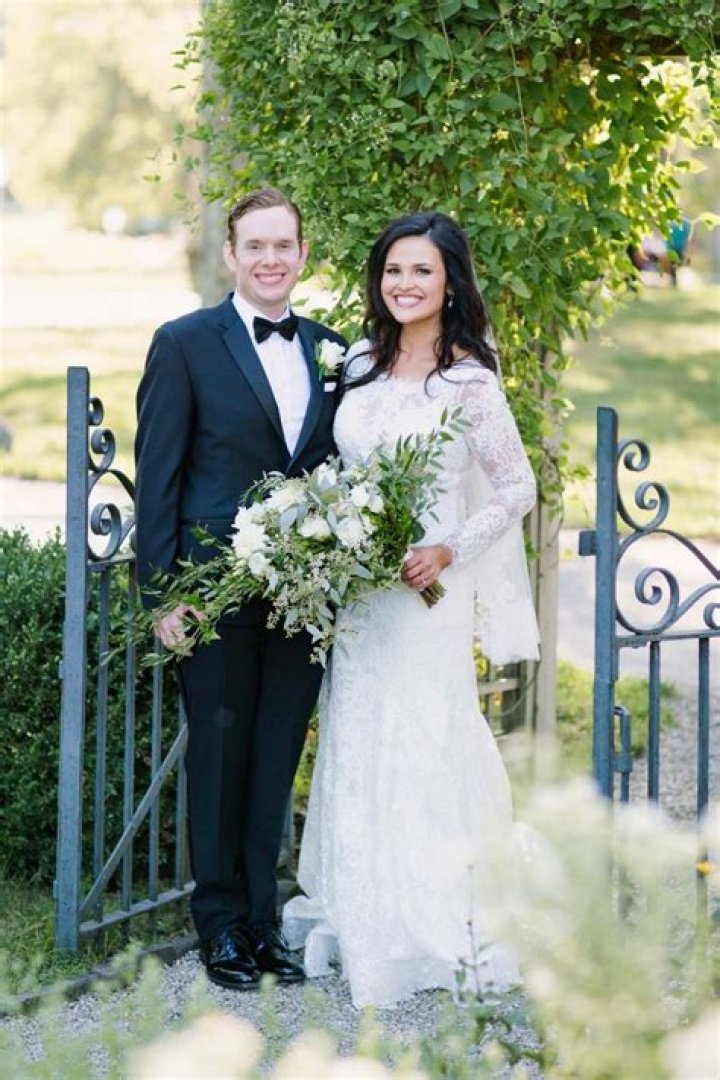
Who was Glenda Graham?
Glenda Graham was an American film actress known for her sultry voice and femme fatale roles in film noir.
Born in Chicago, Illinois, in 1910, Graham began her career as a chorus girl in the 1930s. She made her film debut in 1933 and quickly rose to fame with roles in films such as "The Maltese Falcon" (1941), "Double Indemnity" (1944), and "Out of the Past" (1947). Graham's distinctive voice and sultry demeanor made her a popular choice for femme fatale roles, and she often played characters who were both alluring and dangerous.
In addition to her film career, Graham also appeared in several television shows and stage productions. She died in 1991 at the age of 81.
Graham was a talented actress who made a significant contribution to the film noir genre. Her performances were often praised for their realism and emotional depth, and she remains one of the most iconic stars of the era.
Glenda Graham
Glenda Graham was an American film actress known for her sultry voice and femme fatale roles in film noir. Here are seven key aspects of her life and career:
- Early life: Born in Chicago, Illinois, in 1910.
- Career: Began her career as a chorus girl in the 1930s and made her film debut in 1933.
- Femme fatale: Known for her sultry voice and femme fatale roles in film noir.
- Notable films: "The Maltese Falcon" (1941), "Double Indemnity" (1944), and "Out of the Past" (1947).
- Later career: Appeared in several television shows and stage productions.
- Legacy: A talented actress who made a significant contribution to the film noir genre.
- Personal life: Married four times, including to actor Franchot Tone.
Graham's performances were often praised for their realism and emotional depth, and she remains one of the most iconic stars of the film noir era. Her work helped to define the genre and continues to be enjoyed by audiences today.
| Name | Glenda Graham |
|---|---|
| Born | November 29, 1910 |
| Birthplace | Chicago, Illinois |
| Died | October 14, 1991 |
| Occupation | Actress |
Early life
Glenda Graham's birthplace and upbringing played a significant role in shaping her personal and professional life.
- Exposure to the arts: Chicago was a major cultural hub in the early 20th century, and Graham was exposed to a wide range of artistic influences from a young age. This exposure helped to foster her love of and set the stage for her future career.
- Development of her unique voice: Graham's distinctive voice, which would later become one of her trademarks, was likely influenced by the speech patterns and accents of her hometown.
- Early opportunities: Chicago provided Graham with opportunities to perform in local theater productions and gain valuable experience before moving to Hollywood.
- Inspiration from the city: The bustling metropolis of Chicago provided Graham with a wealth of characters and experiences to draw upon in her acting.
In conclusion, Glenda Graham's early life in Chicago had a profound impact on her personal and professional development. The city's cultural landscape, linguistic environment, and opportunities for performance helped to shape her into the iconic actress she would become.
Career
Glenda Graham's career as a chorus girl in the 1930s and her film debut in 1933 were pivotal moments in her life and career.
Graham's early experiences as a chorus girl provided her with valuable training and experience in performing and stagecraft. She honed her skills in dance, singing, and movement, which would later serve her well in her film career. Additionally, her time as a chorus girl exposed her to the world of show business and helped her to develop the connections she needed to break into film.
When Graham made her film debut in 1933, she quickly established herself as a talented and versatile actress. She was able to play a wide range of roles, from innocent ingenues to sultry femme fatales. Her distinctive voice and striking appearance made her a popular choice for directors, and she soon became one of the most sought-after actresses in Hollywood.
Graham's career as a chorus girl and her early film roles were essential to her success as an actress. They provided her with the training, experience, and exposure she needed to reach the top of her profession.
In conclusion, Glenda Graham's career as a chorus girl in the 1930s and her film debut in 1933 were crucial stepping stones in her journey to becoming one of the most iconic actresses of the film noir era.
Femme fatale
Glenda Graham's status as a femme fatale, known for her sultry voice and alluring performances in film noir, is inextricably linked to her identity and legacy as an actress. This association is significant for several reasons:
- Defining characteristic: The femme fatale archetype became synonymous with Graham's screen persona. Her sultry voice, striking appearance, and ability to portray characters that were both alluring and dangerous made her the quintessential femme fatale.
- Career breakthrough: Graham's casting in femme fatale roles propelled her to stardom. Films such as "The Maltese Falcon" and "Double Indemnity" showcased her talent for playing complex and enigmatic women, solidifying her reputation as a leading lady.
- Cultural impact: Graham's portrayal of femme fatales reflected and influenced societal attitudes towards women during the film noir era. Her characters challenged traditional gender roles and explored the themes of female power, sexuality, and danger.
Beyond her on-screen persona, Graham's association with the femme fatale archetype also influenced her personal life and public image. She cultivated a glamorous and mysterious persona, which both fascinated and intrigued audiences.
In conclusion, Glenda Graham's connection to the femme fatale archetype is a defining aspect of her career and legacy. Her sultry voice and masterful performances brought this intriguing character type to life, leaving an enduring mark on the film noir genre and popular culture.
Notable films
The films "The Maltese Falcon" (1941), "Double Indemnity" (1944), and "Out of the Past" (1947) are significant in Glenda Graham's career for several reasons:
- Breakthrough roles: These films showcased Graham's talent for playing complex and enigmatic women, solidifying her reputation as a leading lady in the film noir genre.
- Iconic performances: Graham's performances in these films are considered some of her best work, and they continue to be studied and admired by film noir enthusiasts.
- Critical acclaim: All three films were critically acclaimed, and Graham received praise for her performances. "Double Indemnity" was nominated for seven Academy Awards, including Best Picture and Best Actress for Graham.
- Cultural impact: These films helped to define the film noir genre and are considered classics of American cinema. Graham's performances helped to shape the archetype of the femme fatale.
In conclusion, the films "The Maltese Falcon," "Double Indemnity," and "Out of the Past" are essential viewing for anyone interested in Glenda Graham's career and the film noir genre.
Later career
Glenda Graham's later career, marked by appearances in television shows and stage productions, revealed new dimensions of her artistry and demonstrated her versatility as a performer.
- Transition to television: With the decline of the studio system in the 1950s, Graham, like many other film actors, transitioned to television. She appeared in numerous television shows, including anthology series, westerns, and sitcoms. This allowed her to reach a wider audience and showcase her range.
- Stage presence: Graham also returned to the stage during this period. She performed in both classical and contemporary plays, earning critical acclaim for her nuanced and powerful performances. Her stage work demonstrated her commitment to her craft and her ability to connect with audiences in a live setting.
- Character roles: In her later career, Graham often played character roles, bringing depth and authenticity to supporting parts. These roles allowed her to showcase her versatility and her ability to create memorable characters, even in limited screen time.
- Legacy and influence: Graham's later work had a profound impact on younger generations of actors. Her commitment to her craft and her ability to adapt to changing industry landscapes served as an inspiration to many aspiring performers.
In conclusion, Glenda Graham's later career, encompassing both television and stage appearances, showcased her versatility, artistry, and enduring impact on the entertainment industry.
Legacy
Glenda Graham's legacy as a talented actress who made a significant contribution to the film noir genre is inextricably linked to her unique talent, captivating performances, and enduring impact on the genre.
Graham's natural talent and ability to embody complex and enigmatic characters were instrumental in her success. Her distinctive voice, striking appearance, and nuanced acting style allowed her to bring depth and authenticity to her roles, leaving an indelible mark on audiences.
Graham's contributions to film noir are undeniable. She helped to define the femme fatale archetype, playing characters that were both alluring and dangerous, often with tragic consequences. Her performances in films like "The Maltese Falcon," "Double Indemnity," and "Out of the Past" are considered among the best in the genre's history.
Beyond her on-screen presence, Graham's legacy extends to her influence on younger generations of actors. Her commitment to her craft, versatility, and ability to adapt to changing industry landscapes served as an inspiration to many aspiring performers.
In conclusion, Glenda Graham's legacy as a talented actress who made a significant contribution to the film noir genre is a testament to her exceptional talent, enduring performances, and lasting impact on the art of cinema.
Personal life
Glenda Graham's personal life, including her four marriages and her relationship with actor Franchot Tone, offers insights into her character, motivations, and experiences as a woman and an artist in Hollywood's Golden Age.
Graham's marriages, particularly her tumultuous relationship with Tone, shaped her personal and professional journey. Her experiences with love, loss, and heartbreak influenced her performances, adding depth and vulnerability to her portrayals of complex and often tragic characters.
The practical significance of understanding Graham's personal life lies in the fuller appreciation of her artistry and the cultural context in which she worked. By examining the connections between her on-screen and off-screen experiences, we gain a deeper understanding of the complexities of her life and the human experiences she brought to her roles.
In conclusion, exploring the connection between Glenda Graham's personal life and her professional career provides a nuanced and comprehensive view of her as an actress, a woman, and a cultural icon.
Frequently Asked Questions about Glenda Graham
This section addresses common questions and misconceptions surrounding the life, career, and legacy of actress Glenda Graham.
Question 1: What was Glenda Graham's most notable role?
Answer: Graham is best known for her portrayal of femme fatales in film noir classics such as "The Maltese Falcon" (1941), "Double Indemnity" (1944), and "Out of the Past" (1947).
Question 2: What made Glenda Graham stand out as an actress?
Answer: Graham's sultry voice, striking appearance, and ability to embody complex and enigmatic characters set her apart in Hollywood. She brought depth and authenticity to her roles, captivating audiences with her performances.
Question 3: How did Glenda Graham contribute to the film noir genre?
Answer: Graham played a significant role in defining the femme fatale archetype in film noir. Her performances added layers of allure and danger to the genre, influencing future portrayals of these characters.
Question 4: What was Glenda Graham's personal life like?
Answer: Graham's personal life was marked by four marriages, including one to actor Franchot Tone. Her experiences with love, loss, and heartbreak influenced her performances, adding depth and vulnerability to her characters.
Question 5: What is Glenda Graham's legacy as an actress?
Answer: Graham's legacy lies in her exceptional talent, enduring performances, and lasting impact on the film noir genre. She is remembered as a talented actress who brought complexity and authenticity to her roles.
Question 6: How can we learn more about Glenda Graham?
Answer: Additional information about Glenda Graham can be found in biographies, articles, and film retrospectives. Exploring her life and work provides a deeper understanding of her contributions to cinema and the cultural context in which she lived.
In conclusion, Glenda Graham's life and career offer a fascinating study of an exceptional actress who left an enduring mark on the film noir genre. Her talent, versatility, and personal experiences continue to captivate audiences and inspire aspiring artists.
Transition to the next article section: Glenda Graham: Exploring Her Enduring Impact on Film Noir
Conclusion
Glenda Graham's journey as an actress, a woman, and a cultural icon is a testament to her exceptional talent and enduring legacy. Her captivating performances in film noir classics, coupled with her distinctive voice and enigmatic persona, left an indelible mark on the genre and beyond.
Through her portrayal of complex and alluring femme fatales, Graham challenged societal norms and explored the depths of human nature. Her ability to bring depth and vulnerability to her characters continues to inspire and resonate with audiences today.
Tyler James Williams: Love, Relationships, And The Search For True Connection
The Ultimate Guide To Casey Deidrick's Love Life And Current Relationship Status
The Ultimate Guide To Starlin Wright: Unlocking His Versatility And Impact
Glenda GrahamStaff Norris Ward McKinnon
Glenda Graham Imago Interiors
Glenda Graham Lifelived