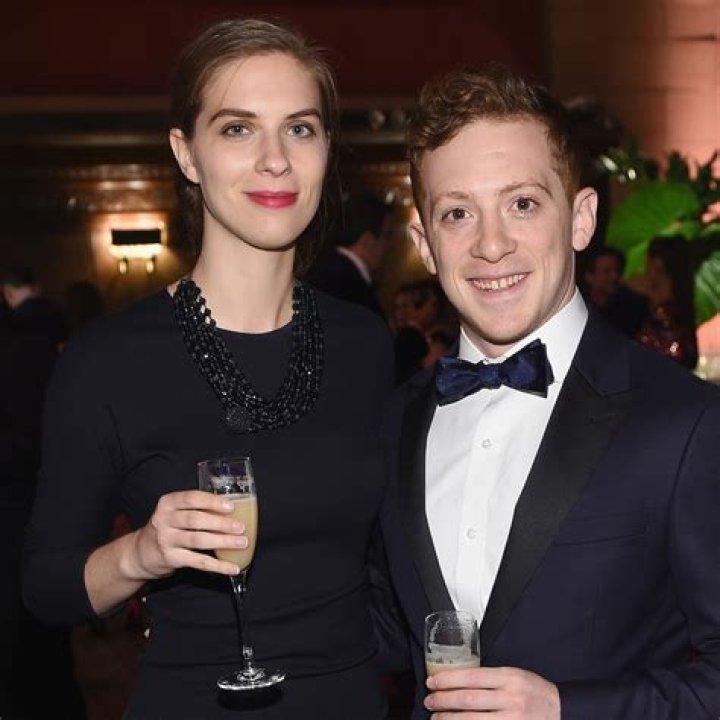
Julia Schlaepfer is a Swiss artist known for her large-scale, immersive installations that explore the relationship between the body and space. Her work often incorporates elements of performance, sculpture, and architecture, and she has exhibited her work internationally in museums and galleries. Schlaepfer's installations are often site-specific, and she works closely with the architecture of the space to create a unique and immersive experience for the viewer.
Schlaepfer's work has been praised for its originality and its ability to challenge the viewer's perception of space and the body. She has been the recipient of numerous awards, including the Swiss Art Award in 2018. Schlaepfer's work is represented by galleries in Switzerland, Germany, and the United States.
Schlaepfer's work is important because it pushes the boundaries of what is considered art. Her installations are not simply objects to be looked at, but rather experiences to be felt and explored. She challenges the viewer to think about their own body and its relationship to the space around them.
Julia Schlaepfer
Julia Schlaepfer's work is notable for its exploration of the relationship between the body and space. Her large-scale, immersive installations often incorporate elements of performance, sculpture, and architecture, creating a unique and challenging experience for the viewer.
- Site-specific: Schlaepfer's installations are often created in response to the specific architecture and environment of the space in which they are exhibited.
- Immersive: Schlaepfer's installations are designed to envelop the viewer, creating a total sensory experience.
- Performative: Schlaepfer's work often incorporates elements of performance, blurring the boundaries between art and life.
- Sculptural: Schlaepfer's installations often incorporate sculptural elements, creating a physical and tactile experience for the viewer.
- Architectural: Schlaepfer's installations often engage with the architecture of the space in which they are exhibited, challenging the viewer's perception of the built environment.
- Collaborative: Schlaepfer often collaborates with other artists, architects, and performers to create her installations.
- International: Schlaepfer's work has been exhibited internationally in museums and galleries around the world.
- Award-winning: Schlaepfer has been the recipient of numerous awards, including the Swiss Art Award in 2018.
Schlaepfer's work is important because it challenges the viewer to think about their own body and its relationship to the space around them. Her installations are not simply objects to be looked at, but rather experiences to be felt and explored.
| Name: | Julia Schlaepfer |
| Born: | 1980 |
| Nationality: | Swiss |
| Occupation: | Artist |
| Known for: | Immersive installations that explore the relationship between the body and space |
Site-specific
Julia Schlaepfer's site-specific installations are a key component of her artistic practice. By creating works that are responsive to the specific architecture and environment of the space in which they are exhibited, Schlaepfer is able to create a truly immersive and engaging experience for the viewer.
One of the most striking examples of Schlaepfer's site-specific work is her installation "Vestige" (2018), which was created for the Swiss Pavilion at the Venice Biennale. The installation consisted of a series of large-scale fabric panels that were suspended from the ceiling of the pavilion. The panels were printed with images of the pavilion's architecture, creating a sense of disorientation and confusion for the viewer.
Schlaepfer's site-specific installations often challenge the viewer's perception of space and the body. By creating works that are responsive to the specific architecture and environment of the space in which they are exhibited, Schlaepfer is able to create a truly immersive and engaging experience for the viewer.
The importance of Schlaepfer's site-specific installations lies in their ability to create a unique and challenging experience for the viewer. Her work encourages us to think about our own bodies and our relationship to the space around us.
Immersive
Julia Schlaepfer's immersive installations are a defining characteristic of her artistic practice. By creating works that envelop the viewer and create a total sensory experience, Schlaepfer is able to challenge the viewer's perception of space and the body.
- Sensory Overload: Schlaepfer's installations often bombard the viewer with a variety of sensory stimuli, including light, sound, and touch. This can create a feeling of disorientation and confusion, but it can also be exhilarating and immersive.
- Physical Engagement: Schlaepfer's installations often encourage the viewer to physically engage with the work. This can involve walking through the installation, touching the objects within it, or even performing actions within the space. This physical engagement helps to create a more immersive and memorable experience for the viewer.
- Emotional Impact: Schlaepfer's installations often have a strong emotional impact on the viewer. This can be due to the sensory overload, the physical engagement, or the personal associations that the viewer brings to the work. Schlaepfer's installations can be challenging, but they can also be deeply rewarding.
The immersive nature of Schlaepfer's installations is essential to her artistic practice. By creating works that envelop the viewer and create a total sensory experience, Schlaepfer is able to challenge the viewer's perception of space and the body. Her installations are a powerful and unique way to experience art.
Performative
Julia Schlaepfer's performative work is a key component of her artistic practice. By incorporating elements of performance into her installations, Schlaepfer is able to challenge the viewer's perception of space and the body, and blur the boundaries between art and life.
One of the most striking examples of Schlaepfer's performative work is her installation "Vestige" (2018), which was created for the Swiss Pavilion at the Venice Biennale. The installation consisted of a series of large-scale fabric panels that were suspended from the ceiling of the pavilion. The panels were printed with images of the pavilion's architecture, creating a sense of disorientation and confusion for the viewer.
Schlaepfer's performative work often involves the participation of the viewer. In her installation "Vestige," viewers were invited to walk through the installation and interact with the fabric panels. This physical engagement helped to create a more immersive and memorable experience for the viewer.
The performative nature of Schlaepfer's work is essential to her artistic practice. By incorporating elements of performance into her installations, Schlaepfer is able to challenge the viewer's perception of space and the body, and blur the boundaries between art and life. Her work is a powerful and unique way to experience art.
Sculptural
Julia Schlaepfer's sculptural installations are a key component of her artistic practice. By incorporating sculptural elements into her installations, Schlaepfer is able to create a physical and tactile experience for the viewer, challenging their perception of space and the body.
One of the most striking examples of Schlaepfer's sculptural work is her installation "Vestige" (2018), which was created for the Swiss Pavilion at the Venice Biennale. The installation consisted of a series of large-scale fabric panels that were suspended from the ceiling of the pavilion. The panels were printed with images of the pavilion's architecture, creating a sense of disorientation and confusion for the viewer.
Schlaepfer's sculptural installations often incorporate found objects and materials. In her installation "Vestige," she used old fabric and metal to create a sense of decay and impermanence. This use of found objects and materials helps to create a more immersive and memorable experience for the viewer.
The sculptural nature of Schlaepfer's installations is essential to her artistic practice. By incorporating sculptural elements into her installations, Schlaepfer is able to challenge the viewer's perception of space and the body. Her work is a powerful and unique way to experience art.
Architectural
Julia Schlaepfer's architectural installations are a key component of her artistic practice. By engaging with the architecture of the space in which they are exhibited, Schlaepfer is able to challenge the viewer's perception of the built environment and create a more immersive and memorable experience.
One of the most striking examples of Schlaepfer's architectural installations is her work "Vestige" (2018), which was created for the Swiss Pavilion at the Venice Biennale. The installation consisted of a series of large-scale fabric panels that were suspended from the ceiling of the pavilion. The panels were printed with images of the pavilion's architecture, creating a sense of disorientation and confusion for the viewer.
Schlaepfer's architectural installations often incorporate found objects and materials. In her installation "Vestige," she used old fabric and metal to create a sense of decay and impermanence. This use of found objects and materials helps to create a more immersive and memorable experience for the viewer.
The architectural nature of Schlaepfer's installations is essential to her artistic practice. By engaging with the architecture of the space in which they are exhibited, Schlaepfer is able to challenge the viewer's perception of the built environment and create a more immersive and memorable experience. Her work is a powerful and unique way to experience art.
Collaborative
Julia Schlaepfer's collaborative practice is a key component of her artistic process. By working with other artists, architects, and performers, Schlaepfer is able to create installations that are more complex and ambitious than she could create on her own. Collaboration allows Schlaepfer to share ideas, experiment with new materials and techniques, and create installations that are responsive to the specific architecture and environment of the space in which they are exhibited.
One of the most striking examples of Schlaepfer's collaborative work is her installation "Vestige" (2018), which was created for the Swiss Pavilion at the Venice Biennale. Schlaepfer collaborated with architects Andreas Fuhrimann and Gabrielle Hchler, as well as lighting designer Regine Pohl, to create an immersive installation that explored the relationship between the body and space. The installation consisted of a series of large-scale fabric panels that were suspended from the ceiling of the pavilion. The panels were printed with images of the pavilion's architecture, creating a sense of disorientation and confusion for the viewer.
Schlaepfer's collaborative practice is essential to her artistic practice. By working with other artists, architects, and performers, Schlaepfer is able to create installations that are more complex, ambitious, and responsive to the specific architecture and environment of the space in which they are exhibited.
International
Julia Schlaepfer's international recognition is a testament to the quality and significance of her work. Her installations have been exhibited in prestigious museums and galleries around the world, including the Museum of Modern Art in New York, the Centre Pompidou in Paris, and the Tate Modern in London. This international exposure has allowed Schlaepfer to reach a wider audience and share her unique vision with people from all over the world.
- Global Recognition: Schlaepfer's international exhibitions have brought her work to the attention of a global audience. Her installations have been seen by millions of people from all over the world, solidifying her status as a leading contemporary artist.
- Cross-Cultural Exchange: Schlaepfer's international exhibitions have facilitated cross-cultural exchange and dialogue. Her work has been exhibited in a variety of cultural contexts, allowing viewers from different backgrounds to experience and interpret her installations in their own unique way.
- Artistic Inspiration: Schlaepfer's international exhibitions have inspired other artists and creatives around the world. Her innovative approach to art-making has influenced the work of a new generation of artists, pushing the boundaries of contemporary art.
- Cultural Diplomacy: Schlaepfer's international exhibitions have served as a form of cultural diplomacy, promoting Swiss art and culture on a global stage. Her work has helped to raise the profile of Swiss art and has contributed to a greater understanding of Swiss culture.
Schlaepfer's international success is a testament to her talent and dedication. Her work has resonated with audiences around the world, and she has made a significant contribution to the contemporary art landscape. Her international exhibitions have played a vital role in her success, allowing her to share her unique vision with a global audience.
Award-winning
Julia Schlaepfer's numerous awards, including the prestigious Swiss Art Award in 2018, serve as a testament to the exceptional quality and significance of her artistic practice. These accolades not only recognize Schlaepfer's talent and creativity but also contribute to her growing reputation as a leading figure in contemporary art.
The Swiss Art Award, one of the most coveted honors in the Swiss art world, is awarded annually to an artist who has made a significant contribution to the field. Schlaepfer's receipt of this award is a clear indication of the esteem in which she is held by her peers and the broader art community.
Beyond the recognition and prestige that awards bring, they also provide practical benefits for artists. Award-winning artists often receive increased visibility, which can lead to more exhibition opportunities, commissions, and sales. Financial rewards associated with awards can also provide artists with the resources they need to continue their creative work and push the boundaries of their practice.
In Julia Schlaepfer's case, her award-winning status has undoubtedly contributed to her international success. Her work has been exhibited in prestigious museums and galleries around the world, and she has collaborated with renowned artists, architects, and performers. Schlaepfer's awards have helped to solidify her position as a leading contemporary artist and have enabled her to continue creating innovative and thought-provoking work.
Frequently Asked Questions about Julia Schlaepfer
This section provides answers to some of the most frequently asked questions about Julia Schlaepfer, her artistic practice, and her contributions to the art world.
Question 1: What is Julia Schlaepfer's artistic style?
Answer: Julia Schlaepfer's artistic style is characterized by its immersive and site-specific installations. She often incorporates elements of performance, sculpture, and architecture into her work, creating experiences that challenge the viewer's perception of space and the body.
Question 2: What are the key themes explored in Schlaepfer's work?
Answer: Schlaepfer's work often explores themes of identity, memory, and the relationship between the body and space. She is particularly interested in the ways in which architecture and the built environment shape our experiences and interactions.
Question 3: What is the significance of Schlaepfer's use of found objects and materials?
Answer: Schlaepfer's use of found objects and materials is central to her artistic practice. She often incorporates these materials into her installations to create a sense of decay and impermanence. This use of found objects also helps to connect her work to the specific site and context in which it is exhibited.
Question 4: How has Schlaepfer's collaborative practice influenced her work?
Answer: Schlaepfer's collaborative practice has been essential to the development of her work. By working with other artists, architects, and performers, she has been able to create installations that are more complex, ambitious, and responsive to the specific architecture and environment of the space in which they are exhibited.
Question 5: What are some of the major awards and recognitions that Schlaepfer has received?
Answer: Schlaepfer has received numerous awards and recognitions for her work, including the Swiss Art Award in 2018. These awards are a testament to the quality and significance of her artistic practice, and have helped to raise her profile on the international art scene.
Question 6: Where can I see Julia Schlaepfer's work?
Answer: Schlaepfer's work has been exhibited in museums and galleries around the world, including the Museum of Modern Art in New York, the Centre Pompidou in Paris, and the Tate Modern in London. You can also find her work in many public collections, including the Swiss National Museum in Zurich and the Kunstmuseum Basel.
Summary of key takeaways or final thought:
Julia Schlaepfer is a leading contemporary artist whose work explores the relationship between the body and space. Her immersive and site-specific installations often incorporate elements of performance, sculpture, and architecture, and have been exhibited in museums and galleries around the world.
Transition to the next article section:
To learn more about Julia Schlaepfer and her work, please visit her website or follow her on social media.
Tips on Creating Immersive Installations
Julia Schlaepfer, known for her immersive and site-specific installations, offers the following tips for artists seeking to create engaging and memorable experiences for their audiences:
Consider the relationship between the body and space: Schlaepfer's installations often explore the ways in which architecture and the built environment shape our experiences and interactions. By considering the relationship between the body and space, artists can create installations that are both physically and psychologically engaging.
Incorporate elements of performance, sculpture, and architecture: Schlaepfer's installations often combine elements of performance, sculpture, and architecture. This interdisciplinary approach allows artists to create installations that are visually stimulating, tactile, and immersive.
Use found objects and materials: Schlaepfer frequently incorporates found objects and materials into her installations. This use of found objects can create a sense of decay and impermanence, and can also help to connect the installation to the specific site and context in which it is exhibited.
Collaborate with other artists, architects, and performers: Schlaepfer's collaborative practice has been essential to the development of her work. By working with other artists, architects, and performers, artists can create installations that are more complex, ambitious, and responsive to the specific architecture and environment of the space in which they are exhibited.
Pay attention to the sensory experience: Schlaepfer's installations often bombard the viewer with a variety of sensory stimuli, including light, sound, and touch. By paying attention to the sensory experience, artists can create installations that are both immersive and memorable.
Summary of key takeaways or benefits:
By following these tips, artists can create immersive installations that engage the viewer on a physical, psychological, and sensory level. Immersive installations can provide viewers with a unique and memorable experience, and can encourage them to think about the relationship between the body and space in new ways.
Transition to the article's conclusion:
For more tips and inspiration, be sure to explore Julia Schlaepfer's website and follow her on social media.
Conclusion
Throughout this exploration of Julia Schlaepfer's work, we have examined the ways in which she challenges the viewer's perception of space and the body through her immersive and site-specific installations. By incorporating elements of performance, sculpture, and architecture, Schlaepfer creates installations that engage the viewer on a physical, psychological, and sensory level.
Schlaepfer's work encourages us to think about the relationship between our bodies and the spaces we inhabit. Her installations often disrupt our expectations and force us to confront the ways in which our environment shapes our experiences. Through her innovative and thought-provoking work, Schlaepfer pushes the boundaries of contemporary art and invites us to see the world in new and unexpected ways.
Unveiling Lala Kent: Behind The Reality, Fashion, And Philanthropy
Unveiling The Extraordinary World Of Dee Devlin: Insights And Discoveries
Unveiling The Wit And Wisdom Of Joe Gatto: A Journey Of Laughter And Reflection